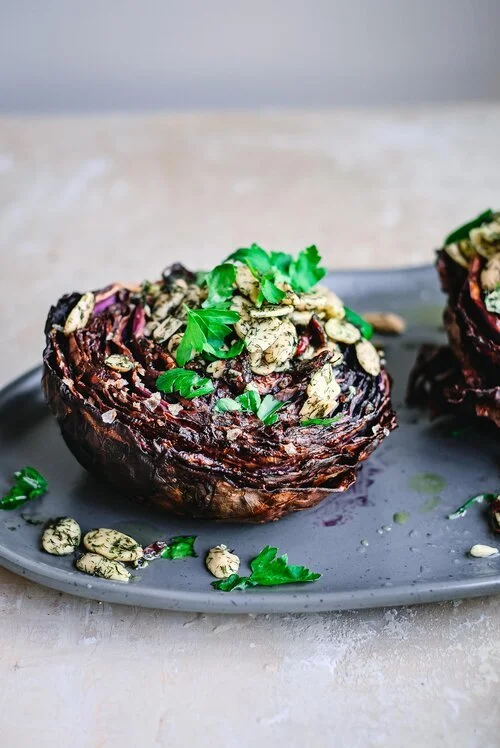
The Culinary Alchemy: Why Roasting Transforms Cabbage
Cabbage often gets a bad rap. For many, it conjures images of soggy, boiled greens with a pungent, sulfurous aroma. But what if we told you that this humble, affordable vegetable holds a secret power, waiting to be unleashed by the magic of high heat? The truth is, when you subject cabbage to the intense, dry heat of an oven, a remarkable culinary alchemy takes place, transforming it into a sweet, mellow, and utterly irresistible side dish:
roasted cabbage.
This incredible transformation isn't just wishful thinking; it's rooted in science. Roasting, particularly at higher temperatures, triggers several key processes. Firstly, it initiates the Maillard reaction – the same chemical reaction responsible for the delicious browning and complex flavors in seared meats and baked bread. This creates those coveted dark, caramelized bits on the edges of your cabbage wedges, which are packed with deep, savory-sweet notes. Secondly, the intense heat breaks down the natural sugars within the cabbage, caramelizing them and enhancing their inherent sweetness. Simultaneously, the heat softens the fibrous texture and dissipates the volatile sulfur compounds that give raw or lightly cooked cabbage its characteristic strong smell, leaving behind a tender, slightly crisp, and wonderfully approachable vegetable.
Beyond the Basics: Preparing Your Cabbage for Roasting Success
The journey to perfect roasted cabbage begins with proper preparation. While seemingly straightforward, a few key steps can make all the difference in achieving that ideal balance of sweetness and texture.
Choosing the Right Cabbage
For roasting, a medium-sized head of green cabbage is typically ideal. Look for one that feels firm and heavy for its size, with tightly packed leaves and no major blemishes. While green cabbage is the classic choice, don't hesitate to experiment with red cabbage for a vibrant hue or savoy cabbage for a slightly more delicate texture.
Prepping Your Head of Cabbage
1.
Clean and Trim: Start by peeling off any outer leaves that are wilted, damaged, or particularly tough. Trim the very end of the stem, but make sure to leave enough of the core intact. This core is crucial for holding your cabbage wedges together during roasting.
2.
Cut into Wedges: The key to evenly cooked
roasted cabbage is uniform pieces. Cut the cabbage lengthwise in half, right through the core. Then, place each half cut-side down and cut it into 3-4 wedges, again cutting through the core. Aim for wedges that are roughly 1 inch thick at their widest point. This size allows for good caramelization without drying out.
3.
Season Generously: Place your prepared cabbage wedges onto a large baking sheet. Drizzle them generously with good quality olive oil. Use your hands or tongs to gently turn the wedges, ensuring both sides are lightly coated. This oil is essential for promoting browning and crispiness. Finally, sprinkle both sides with a generous amount of sea salt and freshly ground black pepper. Don't be shy with the seasoning; cabbage can handle it!
Mastering the Roast: Temperature, Time, and Technique
The oven is where the magic truly happens. Getting the temperature and technique right will determine the success of your
roasted cabbage.
Optimal Oven Temperature
Most recipes for roasted vegetables call for a relatively high heat, and cabbage is no exception. Preheat your oven to a hot 425°F (220°C) or even 450°F (230°C). A higher temperature, like 450°F, can lead to slightly quicker cooking and more intense browning on the exterior, while 425°F might yield a slightly more tender interior with still-crispy edges. Both work beautifully, so feel free to experiment to find your preferred crispness.
The Roasting Process
Arrange your seasoned cabbage wedges in a single layer on the baking sheet. It’s crucial not to overcrowd the pan; if the wedges are too close together, they will steam instead of roast, preventing those delicious caramelized edges from forming. If necessary, use two baking sheets.
Place the baking sheet into the preheated oven and roast for about 15-20 minutes. At this point, gently flip each wedge using tongs. Continue roasting for another 10-15 minutes, or until the cabbage is deeply golden brown on the edges, tender when pierced with a fork, and has those irresistible crispy, charred bits that are the hallmark of perfectly roasted vegetables. The total roasting time usually ranges from 30-45 minutes, depending on your oven and the thickness of your wedges.
Knowing When It's Done
A fork should penetrate the thickest part of a wedge with relative ease. A slight resistance is perfectly fine, especially if you prefer your vegetables with a little bite. Remember, the goal is tender-crisp, not mushy.
Elevating Flavor: Lemon, Thyme, and Beyond
While simply roasted and seasoned cabbage is delicious, a few thoughtful additions can truly elevate its flavor profile, making it a showstopper side dish.
The Classic Vinaigrette
One of the most popular and utterly delightful ways to finish
roasted cabbage is with a simple lemon and thyme vinaigrette. The bright acidity of lemon cuts through the richness of the roasted vegetable, while fresh thyme adds an aromatic, herbaceous note.
To prepare this, whisk together 2-3 tablespoons of extra virgin olive oil, the juice of half to a whole lemon (depending on your preference for citrus zing), and about 1 teaspoon of fresh chopped thyme leaves. Add a few grindings of fresh black pepper. Once your cabbage comes out of the oven, immediately drizzle this vinaigrette over the hot wedges and toss very gently to coat before serving. This infuses the cabbage with a burst of fresh flavor that complements its roasted sweetness. For a comprehensive guide on this specific preparation, consider checking out this recipe:
Easy Roasted Cabbage with Lemon & Thyme: Perfect Side Dish.
Creative Variations for Your Roasted Cabbage
Don't limit yourself! Roasted cabbage is incredibly versatile.
- Garlic & Herb: Toss the cabbage with minced garlic, rosemary, and oregano before roasting.
- Spicy Kick: Add a pinch of red pepper flakes or a dash of smoked paprika.
- Balsamic Glaze: Drizzle with balsamic glaze after roasting for a sweet and tangy finish.
- Cheesy Goodness: Sprinkle with Parmesan cheese or nutritional yeast during the last 10 minutes of roasting for a savory, umami boost.
- Sweet & Savory: Add a tablespoon of maple syrup or honey to the olive oil mixture before roasting.
Serving Your Irresistible Roasted Cabbage
Roasted cabbage makes an excellent accompaniment to a wide variety of meals. It pairs beautifully with roasted meats like chicken breast, pork loin, or beef, offering a light yet satisfying contrast. It's also fantastic alongside fish or as part of a larger vegetarian platter with other roasted vegetables like carrots, potatoes, or summer squash.
Beyond its incredible flavor, roasted cabbage boasts an impressive nutritional profile. It's naturally low in carbs, gluten-free, dairy-free, and vegan, making it a highly inclusive side dish. Rich in healthy antioxidants and vitamins, it’s a guilt-free way to enjoy a delicious vegetable. In fact, it's such a flexible and healthy option that it's even celebrated as a perfect St. Patrick's Day side dish, offering a fresh take on traditional Irish fare. Discover more about its health benefits and how it fits into various diets here:
Roasted Cabbage: Healthy, Keto, Vegan & Perfect for St. Patty's Day.
Expert Tips for Perfect Roasted Cabbage Every Time
To ensure your roasted cabbage turns out perfectly golden and delicious, keep these expert tips in mind:
- Don't Overcrowd the Pan: This is arguably the most important rule for any roasted vegetable. Give your cabbage room to breathe and brown.
- Hot Oven is Key: High heat is what creates those crispy, caramelized edges.
- Uniform Wedges: Consistent size ensures even cooking.
- Preheat the Baking Sheet: Placing cabbage on a preheated hot baking sheet can jumpstart the browning process, leading to even crispier results.
- Pat Dry (Optional but Recommended): For extra crispiness, you can gently pat the cabbage wedges dry with a paper towel before oiling and seasoning. This removes excess moisture that could lead to steaming.
- Taste and Adjust: Always taste a piece before serving and adjust salt, pepper, or lemon as needed.
In conclusion, if you've ever dismissed cabbage as a bland or unappealing vegetable, it's time to give it a second chance through the transformative power of roasting. This simple technique unlocks a surprising sweetness, a tender texture, and a depth of flavor that will change your perception forever. Easy to prepare, incredibly versatile, and packed with health benefits,
roasted cabbage is truly a culinary revelation waiting to brighten your plate. Give it a try – your taste buds will thank you!